Seed Saving
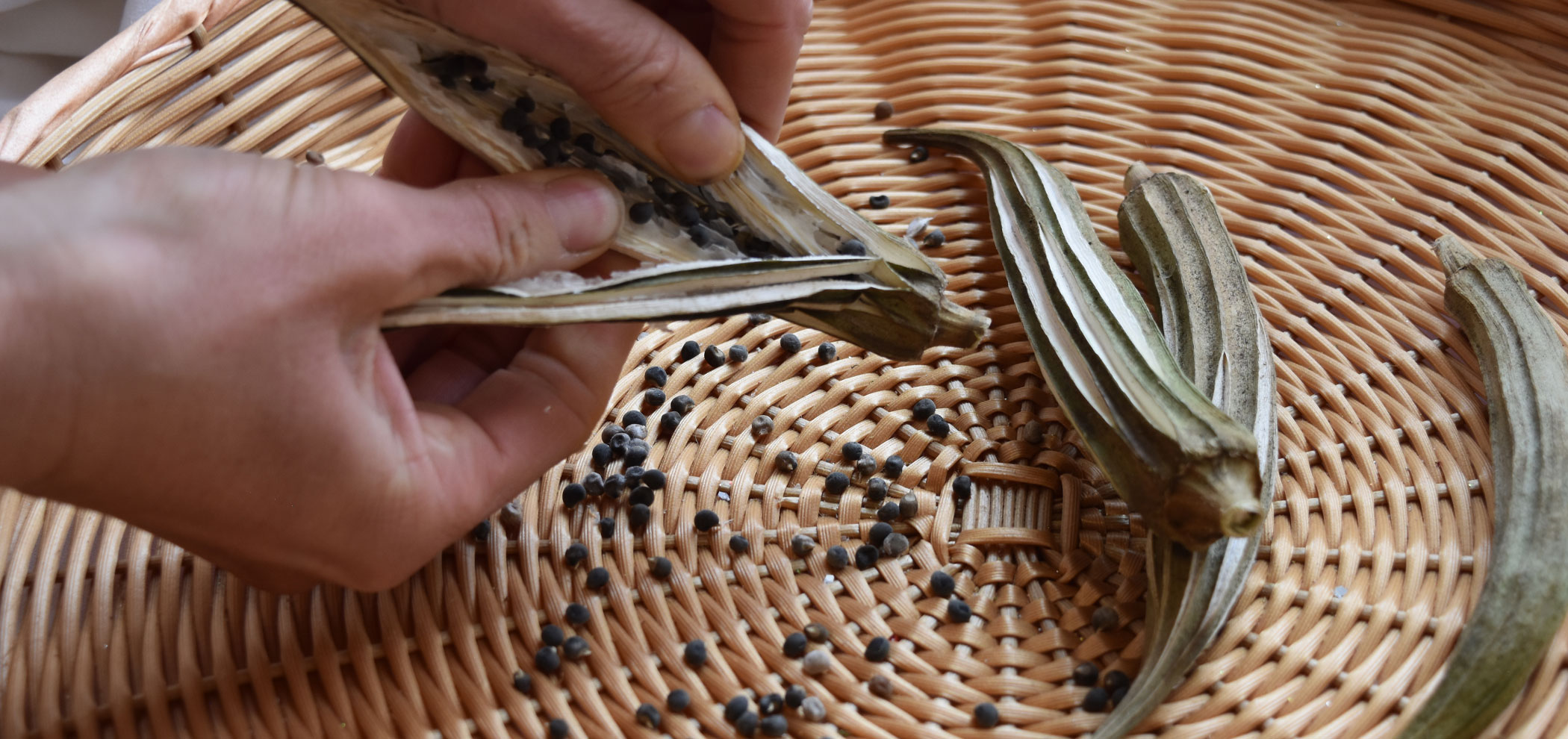
Learn About The Benefits of Seed Saving and The Dedicated Community Members Saving Seeds to Protect Our Biodiversity.
For thousands of years humans and seeds have been intertwined. In conjunction with our Edible Garden exhibit, this virtual resource page explains the importance of seed saving and honors our collective stories, the ongoing work of protecting biodiversity and accessible resources to kickstart your seed saving journey. Peruse our resources today!
How to Save Seeds:
- Seed Savers Exchange Library
Seed Savers Exchange stewards America’s culturally diverse and endangered garden and food crop legacy for present and future generations. They educate and connect people through collecting, regenerating, and sharing heirloom seeds, plants, and stories. - Watch the Video: Seed Saving 101 with Phipps, Grow Pittsburgh and Penn State Master Gardeners
Trusted Seed Companies:
- Alliance of Native Seedkeepers
Alliance of Native SeedKeepers is the world’s biggest little seed store, rooted in Indigenous traditions and dedicated to seedkeeping. Every packet they share is part of a bigger story, restoring heritage, protecting biodiversity, and building a future of resilience and sustainability.
- Seed Saver Exchange
Seed Savers Exchange stewards America’s culturally diverse and endangered garden and food crop legacy for present and future generations.
- Sistah Seeds
Regenerate culturally-important varieties and seed-keeping traditions from the African Diaspora, while uplifting black seed stories and empowering aspiring black seed stewards. They do this through growing and distributing seeds, and by educating and building community.
- Truelove Seeds Philadelphia Collection
Truelove Seeds is a farm-based seed company offering culturally important and open pollinated vegetable, herb, and flower seeds. Their seeds are grown by more than 50 small-scale urban and rural farmers committed to community food sovereignty, cultural preservation, and sustainable agriculture.
- Ujamaa Seeds
The Ujamaa Cooperative Farming Alliance (UCFA), is a program of the non-profit organization STEAM ONWARD Inc. As a collective, UCFA recruits and supports emergent and seasoned growers from diverse communities who cultivate heirloom seeds and grow culturally relevant food crops.
- High Mowing Organic Seeds
With over 700 heirloom, open-pollinated and hybrid varieties of vegetable, fruit, herb and flower seed, High Mowing’s commitment to furthering organic agriculture continues to grow and in turn grows the organic movement.
Seed Projects and Programs:
- Italian Garden Project
Pittsburgh organization working to preserve Italian American-food ways by collecting and sharing heirloom varieties passed down through generations.
- Heirloom Collard Project
Grassroots effort to document, preserve, and share rare heirloom collard green varieties from elder farmers in the Southeast region of the United States.
Heinz Tomato Seed Breeding Program
The Heinz Global Agriculture Program focuses on sustainability through productivity, environmental stewardship, and prosperity—developing tasty tomato plants that require less water, have high yields, and grow fruit with a thick skin for less waste during processing.
H. J. Heinz grew his first vegetables in his mother’s garden and canned them in her kitchen. By 1930, the Company operated factories, warehouses, and receiving stations that covered 10 million square feet, and processed the produce from 200,000 acres of farmland. The Heinz Company controlled each step of the operation, from cultivating its own special cucumber and tomato seeds, to making the glass for its signature bottles, to delivering the product in patented railway cars, and processing it at state of the art factories. Heinz salesman then took the product from the factory directly to the grocer, bypassing wholesalers. From the grocer the product ended up on consumer’s tables.
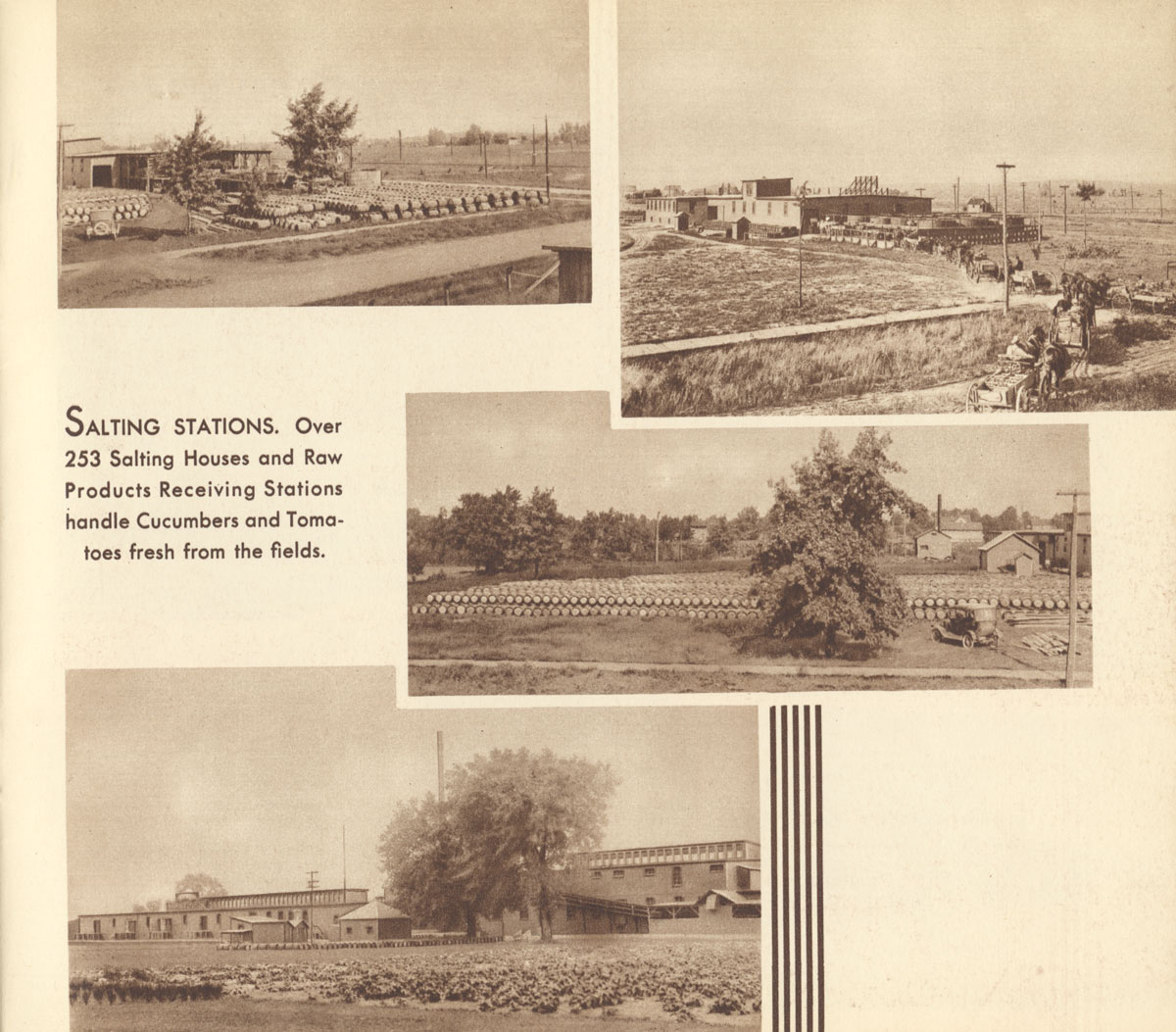
Agriculture played a central role in the Heinz business. Without fresh produce, Heinz had no product to sell. Early on the Company began developing seed stock and harvested from both their own fields as well as contracting with independent farmers. In the 1870s Heinz’s cousin Frederick, a partner in the F. & J. Heinz Company, applied early scientific methods to the process, studying seeds and plant development.

The Heinz Company conducted its first serious seed study in 1916 when crop researchers planted, observed, and recorded yields per acre from 50 different tomato strains in order to grow the best tomatoes for ketchup production. In the 1930s, Heinz began to provide contract farmers with the specialty seeds that they had developed. Today the HeinzSeed Company, created in 1970, develops specialty tomato varieties that will grow in the different global climates where Heinz has tomato fields. The Heinz Global Agriculture Program focuses on sustainability through productivity, environmental stewardship, and prosperity – developing tasty tomato plants that require less water, have high yields, and grow fruit with a thick skin for less waste during processing.
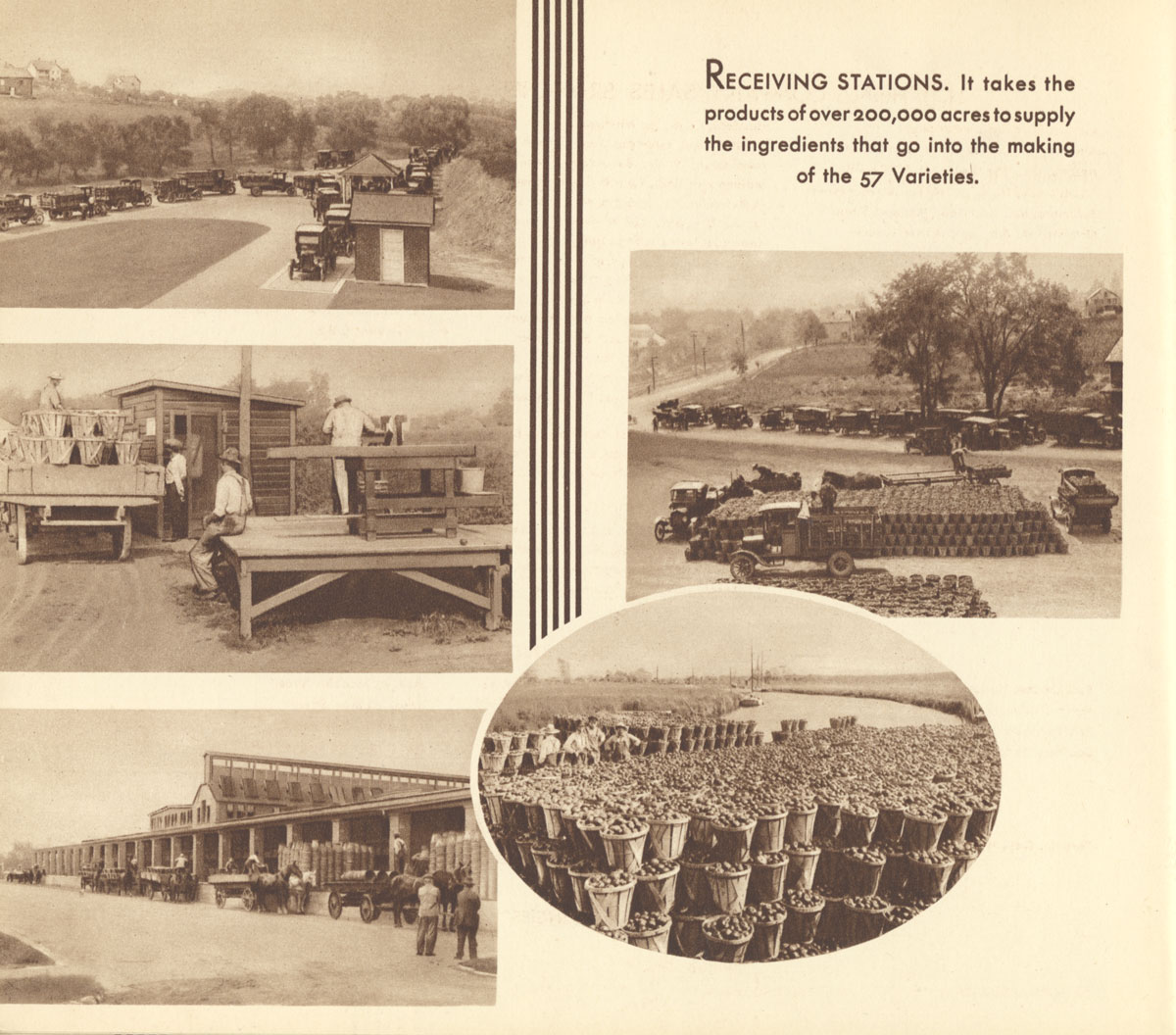
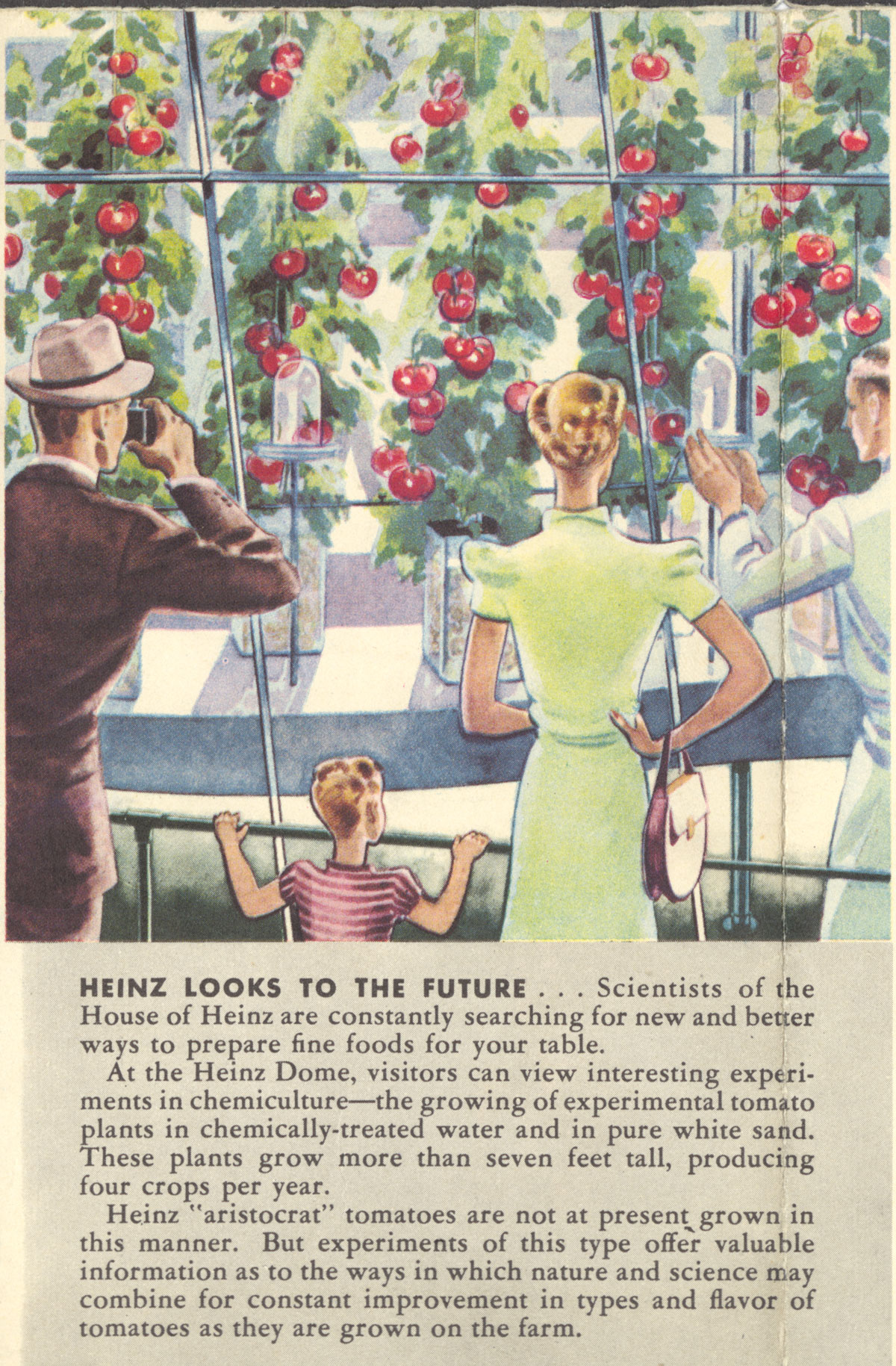
H.J. Heinz Company Photographs, MSP 57, Detre Library & Archives, Heinz History Center
Learn MorePittsburgh Seed Stories
Pittsburgh gardeners and farmers have long been saving seeds to connect with their heritage and share with their neighbors. From beans to tomatoes, look at some special crops grown from seeds saved here in Pittsburgh.
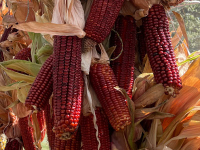
Bloody Butcher Corn
Saved by Chatham University Eden Hall Farm
A specialty of Appalachia, this dent corn can grow up to 15' tall and can be used for grits and moonshine.
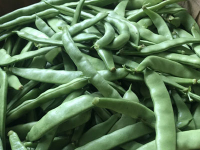
Chad Rittle Beans
Saved by Chatham University Eden Hall Farm
Grown for generations by the family of retired professor Chad Rittle, these Croatian heirloom pole beans have been passed onto Eden Hall Farm to preserve the variety. They can be eaten fresh or dried.
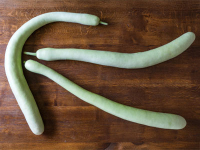
Cucuzza Squash
Saved by Antonio Machi, Shaler Township, Italian Garden Project
This very long squash was brought over by Antonio Machi from Sant'Elia, Sicily. It is eaten fresh at 1' but can also be dried like a gourd at 3 - 4' long at full size.
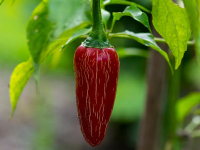
Fish Peppers
Saved by Phipps at Miss Mary’s Garden, Homewood Brushton YMCA
The Caribbean Fish Pepper was grown by Black communities in Baltimore, Maryland and shared by Philadelphia painter Horace Pippen in the 1940s to his farmer friend H. Ralph Weaver. The seeds were rediscovered in the 1990s by his grandson.
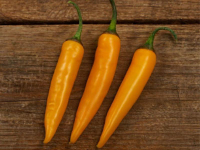
Golden Cayenne Hot Pepper
Saved by Trina Goggins, The Hood Garden, Homewood
Like most cayennes, the Golden Cayenne is small and long, but these are bright yellow, sweet and hot, perfect for a smoked hot sauce.
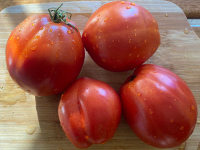
Belmonte Tomato
Saved by Michele Vaccaro, Sewickley, Italian Garden Project
Michele Vaccaro has grown these extra-large pink tomatoes from his hometown of Belmonte, Calabria for decades. They are typically pear shaped but sometimes create round tomatoes, and Michele now has strains of both.
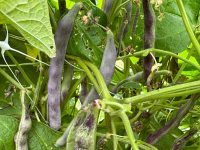
Poverella Roma Pole Bean
Saved by Truelove Seeds, Philadelphia, with the Italian Garden Project
Concetta Liberto brought these purple striated beans from her home in Calabria to Larimer in Pittsburgh. “Poverella” means “poor little girl” or “poor thing”, showing the humble origins of this heirloom.
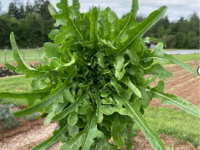
Sabatino’s “Peppe Insalata” Lettuce
Saved by The Growers Grange, Corbett, OR, Italian Garden Project
This light green oakleaf rosette was brought over from Abruzzo, Italy by Sabatino DiNardo when he immigrated to Pittsburgh and is now offered through a Truelove Seeds collaboration.
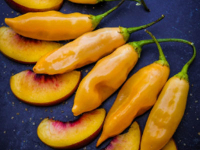
Sugar Rush Peach Pepper
Saved by Maddie McLean, Library Seed Garden, Hazelwood
This pepper is beloved in Maddie’s family and with friends as being a hot yet fruity pepper that produces well and is excellent for fresh eating.