Phipps Stories
Outside of the Negotiations: Impactful Moments at COP30
Outside of negotiations, there were an overwhelming number of other events and activities to capture our attention. There were countless side events, press conferences, and COP Presidency mandated events like the Youth Climate Forum and People’s Plenary, two of the most impactful sessions we watched. In both sessions, youth, indigenous people, climate refugees, and other members of civil society took the stage to tell their stories of disaster, displacement, survival, and resilience. As one young person stated, youth don’t have the privilege of losing hope. Our survival depends on it. Negotiators and observers cried together – Marley and I included – and we left with renewed determination to do whatever it takes to end the climate crisis.
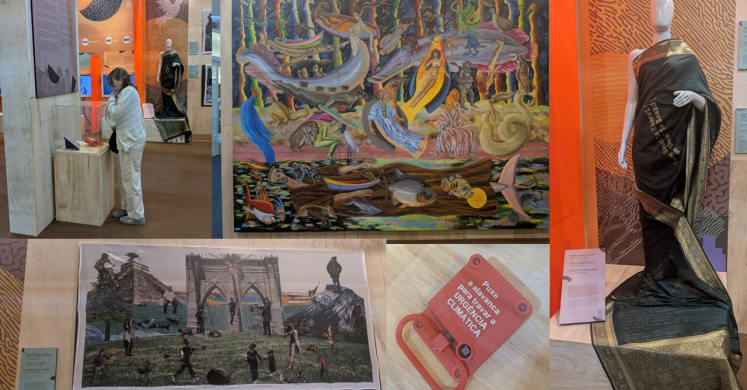
Global Ethic al Stocktake Pavilion was another impactful piece of COP30. We stumbled into the Global Ethical Stocktake (GES) Pavilion while looking for another, drawn in by its strong message and gorgeous design that stood out in the forest of other pavilions. As the Center for Earth Ethics describes it, “The GES elevates the moral, ethical, philosophical and cultural dimensions of the climate crisis with a broader invitation to civil society. The GES is a necessary moral intervention that assesses not only what we are doing to the Earth, but also who we have allowed ourselves to become in the process and how we can summon the collective will to change course. By integrating ethics into climate negotiations, the GES aims to support the implementation of the Paris Agreement by rooting action in values, justice and conscience.” Marley and I heard devastatingly beautiful poems written by youth in different countries, read the quotes and stories of people who participated in the GES dialogues, and explored collage-style artwork collectively made to represent a more just, equitable, and climate-friendly future for each continent.
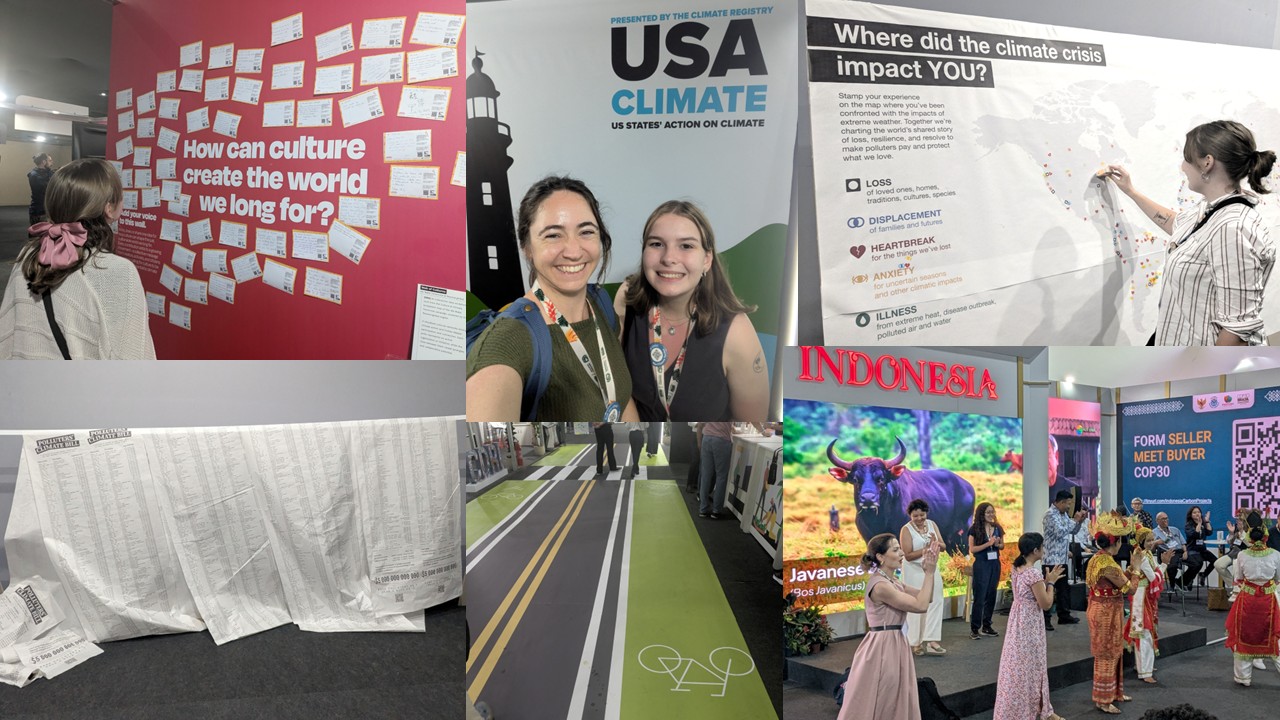
There are well over a hundred pavilions, each with their own well-crafted message, interactive elements, and schedule of talks and events. Among the most memorable pavilions we visited were:
- Children and Youth Pavilion – a central hub for youth from all over the world to gather, take a break from the noise of COP, hear inspirational stories of other youth in action, and get policy debriefs to better understand what was happening in the negotiations. You can follow their social media here.
- Entertainment and Culture Pavilion – self-described as “a hub for creativity, community-organizing, and innovation.” This was a space to learn about the huge role that entertainment, culture, the arts, and storytelling play in encouraging everyday people to do climate action and center climate justice. We attended talks and workshops here, with our favorite being one about sustainable art and fashion!
- USA Climate Pavilion – While the United States did not have an official delegation at COP30, this pavilion was filled with talks demonstrating that the people of the U.S. are still taking action in great ways. We came here to learn about innovation and progress in the U.S. and to find our community within our own country. The pavilion title links to many great talks.
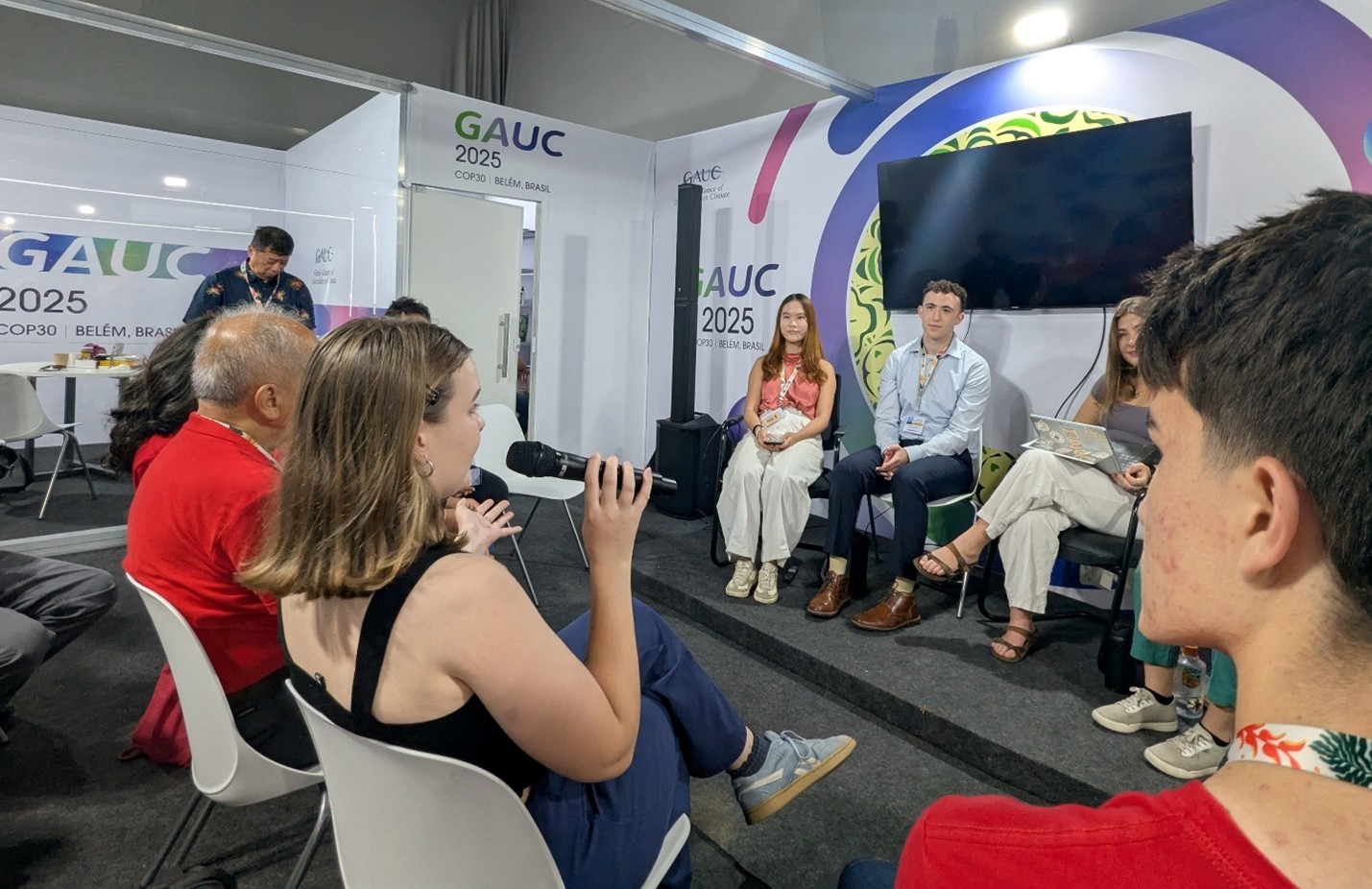
- Global Alliance of Universities on Climate (GAUC) – This space brought together a network of students from around the world to share what is happening in their home countries and support their participation in COP30. We attended talks and sessions to connect with other youth, and Marley had the opportunity to share the work that Phipps is doing with the Youth Climate Advocacy Committee.
One of Marley and I’s favorite parts of COP was the Fossil of the Day demonstration. At 6 p.m. every day, the Climate Action Network announced the Fossil of the Day awards, complete with hilarious costumes, its own theme song, and an enthusiastic dancing inflatable T-Rex. The Fossil of the Day Awards goes to the country or countries who are “doing the most to achieve the least.” Notable winners from this year’s COP included Indonesia for bringing fossil fuel lobbyists as part of their delegation, the United States for not even showing up, the EU for refusing to deliver adequate climate finance, and Saudi Arabia for trying to remove any mention of human rights and stalling progress in many negotiations. This demonstration was a great way for us to hear about the roadblocks in other negotiations and fill the hallways with a song of shame to the Parties causing them.
And after all that and anything else happening that day, Marley and I made our mile-long walk back home, feet aching but a little less sweaty in the night air. Our neighborhood was even more lively at nighttime, no matter how late we got back: music played from telephone pole speakers, delicious aromas from food stands filled the air, people laughed with plates of food in their hands, and children climbed and ran in the playground. We sometimes stopped for dinner or completed a supermarket quest for food in limited Portuguese before scaling the steep stairs to our apartment. The events of the day rattled around in our brains as we settled in for the night and prepared to do it all again the next day. If you feel like this blog was rather long and exhausting to read, well that just means you got the full experience of what it’s like to spend a day in the life of a COP30 observer.
More COP30 Reading: