Phipps Stories
Top 5 Takeaways of a Youth Observer at COP30
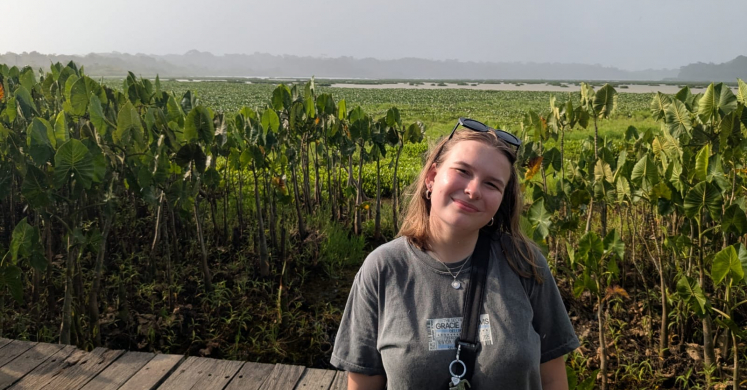
In November, I had the privilege of attending COP30 in Belém, Brazil as a representative of Phipps and our Youth Climate Advocacy Committee. As a 20-year-old studying Sustainability in college, this was not only my first time attending COP, but my first opportunity to ever travel abroad. Here are the top five takeaways from my experience.
1. The Importance of Hosting COP in the Global South
Historically, there have been more obstacles to hosting COP in the Global South than in the Global North. This is likely rooted in the fact that the Global South typically faces more difficulties in developing the infrastructure necessary to hold such a large conference. In comparison, Germany has created designated infrastructure for COP since being the first country to host the conference in 1995, which has made them the default when there are disagreements or complications in other potential host countries. In the past, this has created barriers in the representation of South American delegations in negotiations. This year in Brazil, there was a visible increase in the representation of South American countries because of the accessible location. It was such a valuable part of our COP experience to be able to hear from a variety of South American perspectives, not only in the negotiation rooms but in the protests and demonstrations held by civil society. As protectors of so many acres of the world’s rainforests, it is crucial for South American countries to have a seat at the table. While this was my first COP experience, I am sure that the diverse representation in Belėm made the conference unlike any year prior. I hope that this can serve as a takeaway not just for me, but for those who organize the conference.
2. Basing COP in Nature-Centered Communities
As contradictory as it sounds, COP’s climate change negotiations had not held a primary focus on nature until COP30 in Belém. Coined the “Rainforest COP,” COP30 truly took advantage of having the Amazonian Rainforest and its indigenous people right in its backyard. Before our first full week of the conference began, I had the opportunity to explore the local environment through a boat tour in partnership with the Youth Climate Collaborative. We traveled to a river community called Combu island, where we shopped from local artisan and cacao vendors, walked through a piece of the Amazon rainforest to learn about important plants, and even received a demonstration on how to climb tall açaí palms to harvest their fruit. Looking back, I am very grateful that we had this experience to ground us in our work for the upcoming week. Throughout the conference, we heard a variety of perspectives from local residents and indigenous people about what nature meant to them, which was especially impactful to hear after experiencing a little piece of their world for ourselves.
3. The Intersection of Climate Justice and Art
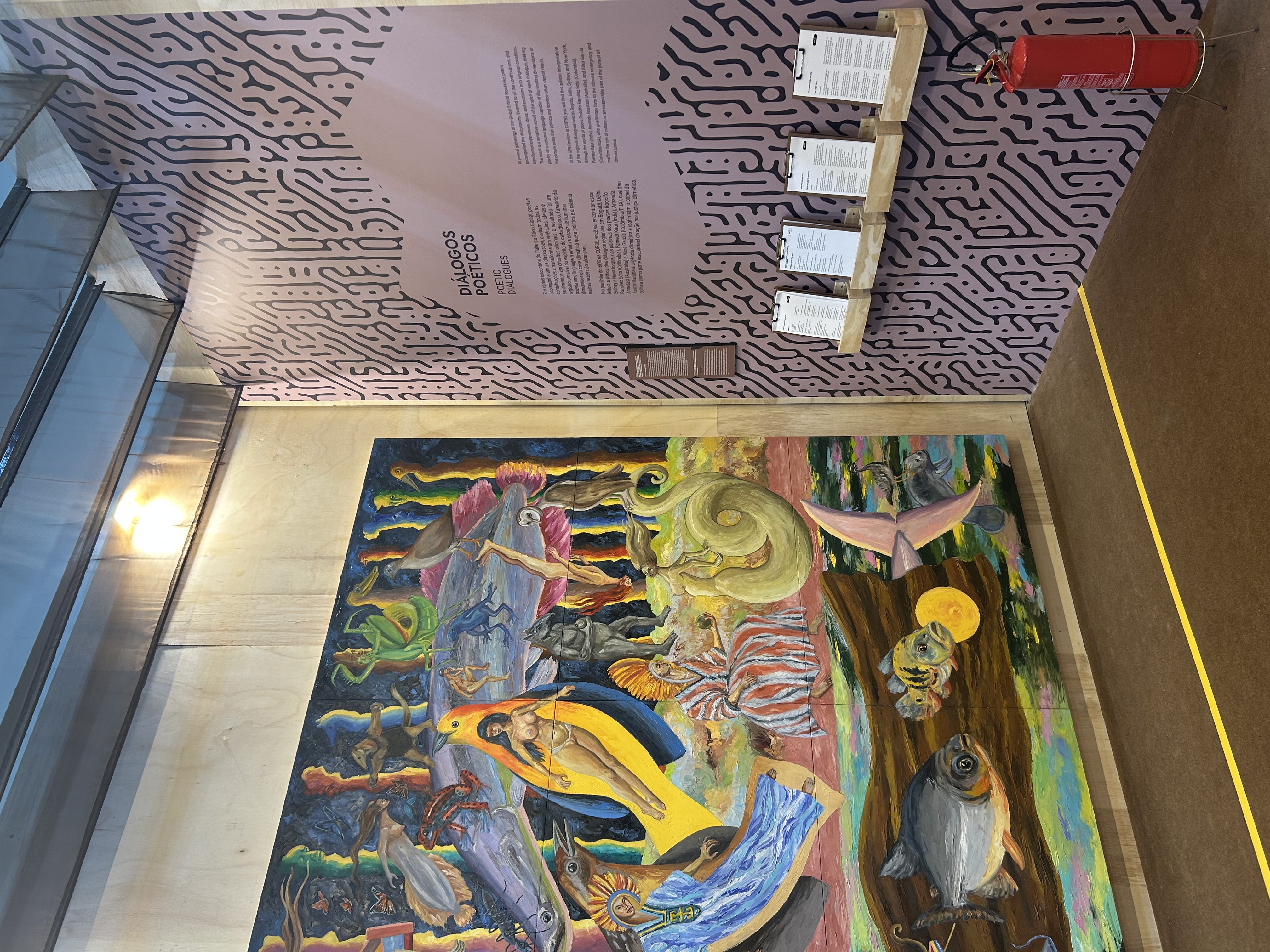
During my time at COP30, one of the most memorable exhibits I witnessed was the Global Ethical Stocktake pavilion. The Global Ethical Stocktake is an initiative under the UN that focuses on the moral, cultural, and justice aspects of climate action in order to center it around the people and ensure an equitable future for everyone. Their pavilion at COP30 was essentially one big climate art gallery, but what stuck out to me the most was the poetry. At several gatherings of the Global Ethical Stocktake, poets accompanied discussions, listened to what everyone had to say, and transformed those contributions into works of poetry that were exhibited at COP30. A quote used in the exhibit that stuck out to me was that “poetry [is] an emotional language capable of illuminating dimensions of the climate crisis that politics and science often cannot reach.” The exhibit was meant to “give literary form to the climate emergency and reaffirm the role of culture as an inseparable part of the pursuit of climate justice.” Since the intersection between writing and climate justice is what I want to pursue in my career, this was very inspiring to me, especially as I was working on my own literary pieces based on my experience at the conference.
4. Finding a Balance Between Work and Play
For many climate activists, COP can feel like the most pressing, stressful time of the year. However, the environment of the conference, with its unique blending of cultures, allowed for a fun sense of community amid all of the hard work on the ground. Some of my favorite memories from COP30 were crafting at the Entertainment + Culture Pavilion, singing with the inflatable dinosaur at Fossil of the Day, and watching people dance at the Indonesia pavilion. These small moments of shared joy and community with my peers empowered the rest of my work throughout the week. This then gave me the ability to find friendly, familiar faces throughout the conference center as the week progressed. Without those friendships and fun spaces, I am sure that we all would have experienced burnout before the conference was over.

5. Letting Yourself Feel All the Feelings
Going into COP, my goal was to learn and experience as much as I possibly could. I can definitely say that I achieved this goal; I am proud to have so much new knowledge under my belt, especially as I continue to be a leader in youth climate advocacy in Pittsburgh and prepare to enter my post-college career. However, it was not always easy. In an ideal world, I would love to feel hopeful and motivated in my work all the time, but that is not a realistic standard to put on myself or any young climate activist. There were times at COP30 when I was frustrated at the slow-moving processes or the lack of representation from the United States. There were times when I was exhausted from the incredibly long, busy days. Yet, as I mentioned before, there were always moments when I saw the hard work that everyone around me was doing and it restored my hope and motivation. Climate action is pressing work, but that does not mean that we should compromise our mental health in the process.

It was very difficult to narrow my experience down to these five takeaways. What I learned the most was that not every COP experience is the same, but each one is impactful in its own way. At COP, there are often a million things happening at once, but no one room is necessarily more important to be in than another. Everyone will have different takeaways from their unique involvement, but we are all working towards a common goal.
More COP30 Reading: