Calendar
October 2026
-
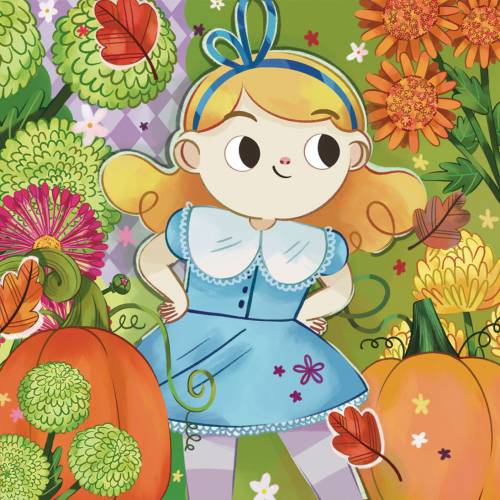
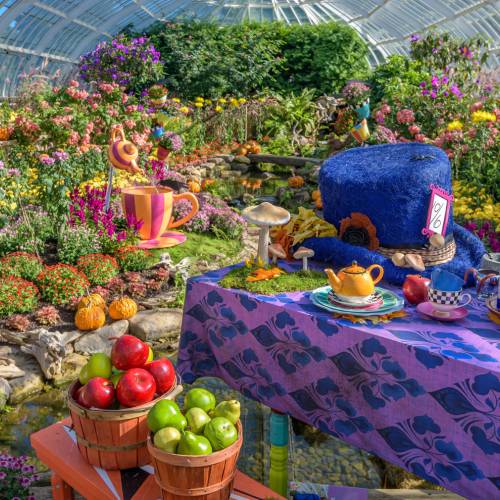
Fall Flower Show: Alice’s Adventures in Autumn
Oct. 10 – Nov. 1
Enjoy vibrant chrysanthemum displays inspired by Alice in Wonderland at Phipps' Fall Flower Show! -
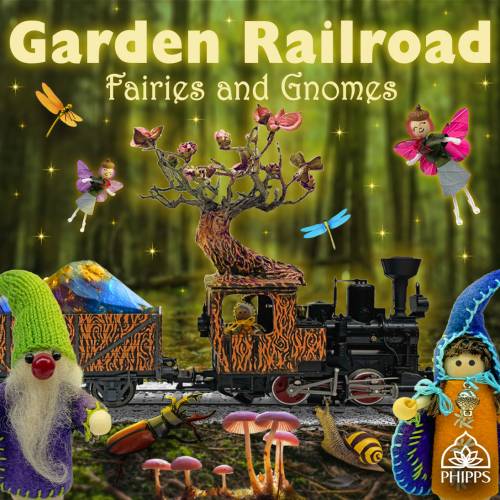
Garden Railroad: Fairies and Gnomes
Open Now
Journey through a mystical world of miniature magical creatures! -
Adult Education at Phipps
See description for dates and times
Peruse our offerings for an exciting variety of fun and enriching programs on gardening, culinary arts and more to let your inspiration grow this season. -
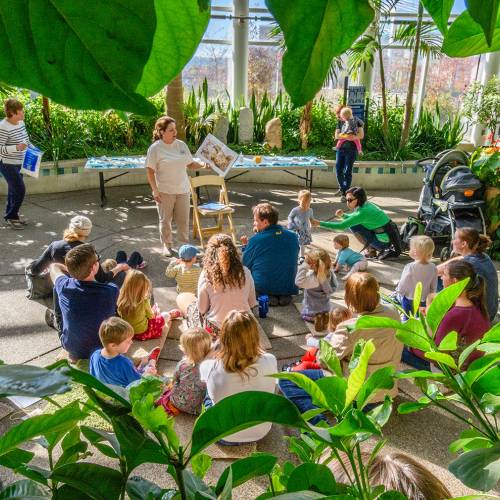
Story Time
First WEDNESDAYS; 10:30 A.M. AND 1 P.M.
Kids will love visiting Phipps to listen to our storyteller weave tales about gardens, animals and other fun topics. Open to the first 40 ticketed participants (whether children or guardians) and must be booked in advance using our online ticketing system.
REGISTRATION REQUIRED -

Gifts and Greens Market
Dec. 3 – 5; Thursday and Friday, 10 a.m. – 6 p.m. and Saturday, 10 a.m. – 3 p.m.
From the glasshouse to your house, we're offering a large selection of fresh holiday greens for loved ones at Phipps Garden Center in Mellon Park. This event is free and open to the public! -
Hometown Homegrown
SUN., OCT. 18; NOON – 5 P.M.
Savor the flavor of Pittsburgh with a dynamic showcase highlighting the best of the city’s local cuisine. -
Halloween Happenings
Fri., Oct. 23; 5 – 8 p.m.
On Fri., Oct. 23, little ghosts and goblins can come to the Conservatory in costume for a day of festive activities free with regular admission! -
Sensory Inclusive Time
Sun., Oct. 25; 5:30 p.m.
Join Us for a Sensory Inclusive Visit to Fall Flower Show! -
Phipps After Dark: House of Haunts
Fri., Oct. 30; 7 – 10 p.m.
Join us for a haunted evening celebration as Phipps kicks off your Halloween weekend! Guests are encouraged to come in costume. -
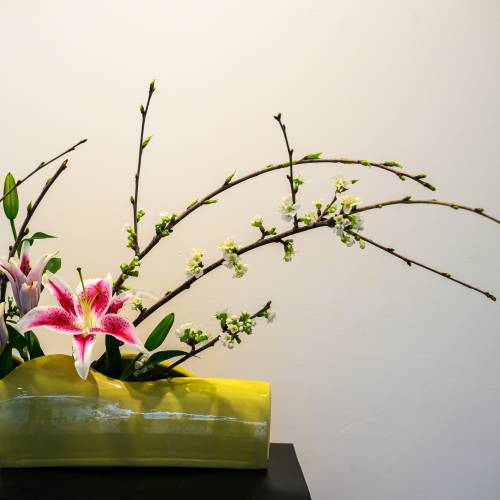
Ikebana International Exhibit
Oct. 2 – 27
In this partnership with the Ikebana International Pittsburgh Chapter, view gorgeous floral displays in our Welcome Center Gallery. -
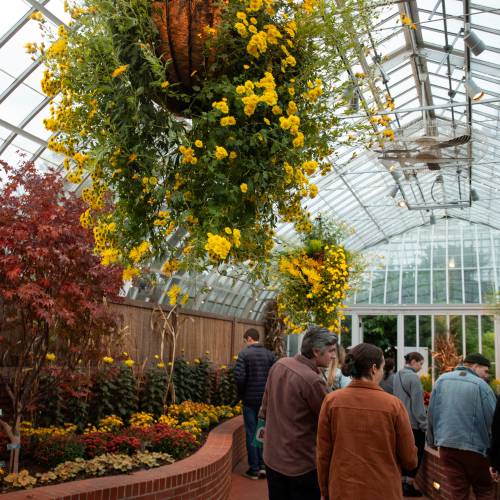
Conservatory Highlights Tour
Tuesdays, Oct. 13, 20, 27 and Nov. 3 | 11 a.m.
Discover more about Phipps on a guided tour through the Conservatory! -
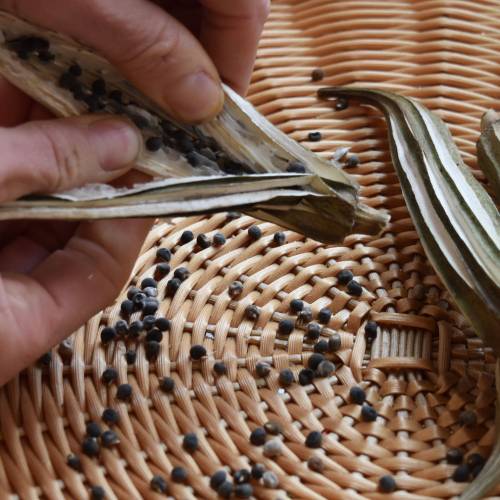
Seed Saving Exhibit
Now Open
Learn About The Benefits of Seed Saving and The Dedicated Community Members Saving Seeds to Protect Our Biodiversity. -
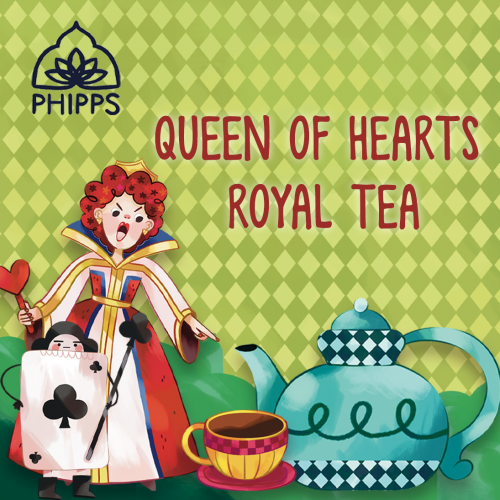
Queen of Hearts Royal Tea
Sun., Oct. 25; 11:30 a.m. – 1 p.m. and 2 – 3:30 p.m.
Spend your Sunday sipping terrific tea in our gorgeous glasshouse! -
_500_500_70_s_c1.jpg)
Pennsylvania Fungi and Their Natural Habitat
Now Open in Phipps Garden Center | Mon. - Fri. ; 9 a.m. - 4:30 p.m.
Enjoy beautiful illustrations of the native fungi species southwestern Pennsylvania! -
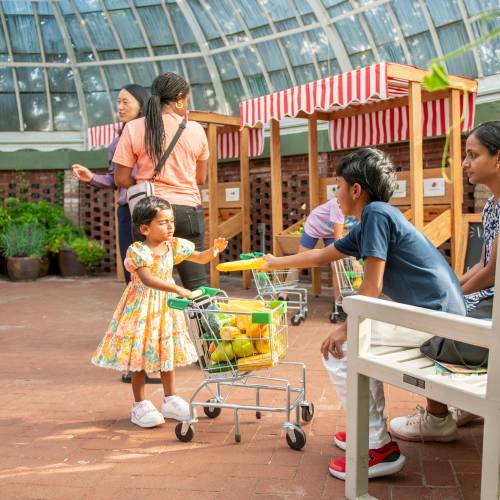
Play Farmers’ Market
NOW OPEN
Come to Phipps' Play Farmers' Market where children can interact with toy food, shopping carts and cash registers! -
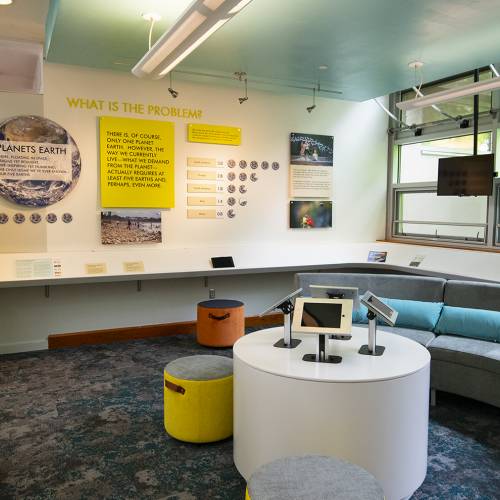
Planets Earth
Now Open
A dynamic exhibit at the Center for Sustainable Landscapes addresses the pressing environmental issues of our time and proposes a new way of thinking about how to solve them.